Saint Teresa of Ávila
.jpeg)
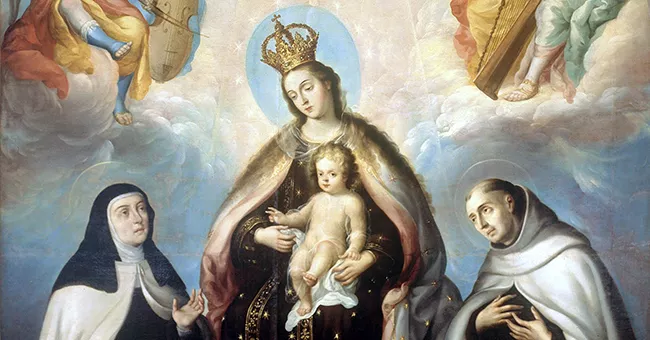
She was not merely a saint — she was an architect of divine intimacy. Born Teresa Sánchez de Cepeda y Ahumada, she shattered the confines of cloistered devotion by turning inward with volcanic force. Her visions were not soft hallucinations — they were surgical entries into the soul’s chambers. Reforming the Carmelite order with fire and fearlessness, Teresa of Ávila transformed spiritual practice into a radical interior science. Her presence, then and now, is not that of a gentle mystic — but of a luminous insurgent against spiritual sleep.
Saint John of the Cross
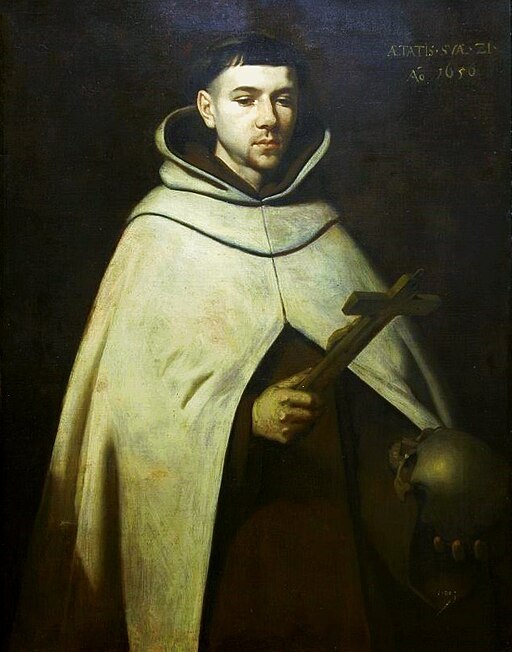
He walked willingly into prison, silence, and shadow — not as a martyr, but as a mapmaker. Born Juan de Yepes y Álvarez, Saint John of the Cross stripped language to its purest flame. Where Teresa built a castle, he walked its darkest halls. His poetry wasn’t metaphor — it was detonation: a precise rendering of the annihilation of ego before God. A mystic, yes — but also a precision engineer of the soul’s dismantling. Without him, the night remains just night. With him, it becomes sacred.
Get the ASTROLOGUS Android App ($4.99 / 50 credits)

Dialogue With the Stars: A Hypothetical Meeting
You: These two people forged one of the most profound spiritual alliances in Christian history. She, the firebrand reformer of Carmel; he, the ascetic poet of divine darkness. He was Saint John of the Cross and she was Saint Teresa of Ávila. Now, since you know that, dig deeper. How come the stars have set up the skies for such an incredible union?
The Alchemist: In the celestial design of Saint John of the Cross and Saint Teresa of Ávila, the stars convey a tapestry of both harmonious and challenging dynamics that would be foundational for such a profound spiritual alliance.
Mercury Sextile Venus: This aspect creates an undercurrent of harmony in communication and shared values. Both individuals would find joy and mutual understanding in spiritual discussions and philosophical explorations. This alignment supports the grace and eloquence with which they could express their spiritual insights, fostering an environment where ideas about reform and spirituality could flourish.
Mercury Opposition Jupiter: This opposition introduces a dynamic tension that would demand growth and reconciliation of perspectives. As spiritual seekers, both would face the challenge of balancing personal insights with broader theological doctrines. This tension would drive them to deeper contemplation and exploration of their faith, pushing the boundaries of their spiritual understanding.
Venus Square Sun: This aspect suggests a need to balance personal identity with relational harmony. The spiritual mission of each individual may have sometimes felt at odds with their personal desires or societal expectations. However, this tension would also serve as a catalyst for personal transformation, encouraging them to align their individual purposes with their shared spiritual goals.
Mars Conjunction Venus: The conjunction of Mars and Venus in their synastry indicates a powerful and passionate collaboration. Mars' choleric energy, combined with Venus' phlegmatic charm, creates a dynamic partnership that is both inspiring and transformative. This aspect symbolizes the drive and passion they shared in their reformative mission, fueling their efforts with enthusiasm and mutual respect.
Jupiter Conjunction Mercury: The conjunction between Jupiter and Mercury enhances their intellectual and spiritual synergy. Jupiter's expansive nature elevates Mercury's adaptability, fostering an environment ripe for spiritual growth and enlightenment. Through their dialogues and writings, they would inspire each other to reach new heights in their spiritual journeys, contributing to their legacy as reformers and mystics.
In essence, the stars aligned to create a relationship where intellectual exchange, spiritual passion, and transformative challenges could coexist. Their celestial blueprint laid the foundation for a partnership that was both deeply personal and profoundly impactful on a spiritual level, allowing them to leave an indelible mark on Christian history.
You: What would stars tell them now? You live?
The Alchemist: The stars would remind Saint John of the Cross and Saint Teresa of Ávila that their legacy is written in the heavens as much as it is in history. The celestial patterns that once guided their earthly journey continue to shine as testament to their spiritual endeavors.
Mercury Sextile Venus would encourage them to continue fostering understanding and beauty in the world, emphasizing the importance of harmony and eloquence in spiritual discourse.
Mercury Opposition Jupiter would urge them to persist in seeking balance between personal insights and universal truths, reminding them that growth often comes through the reconciliation of diverse perspectives.
Venus Square Sun would call them to reflect on the ongoing journey of aligning personal missions with the greater good, recognizing that tension can be a powerful force for transformation.
Mars Conjunction Venus would inspire them to harness their passion and drive for positive change, reinforcing the idea that collaboration and mutual respect can fuel profound spiritual and social reform.
Jupiter Conjunction Mercury would affirm their commitment to intellectual and spiritual growth, encouraging them to continue exploring and sharing their insights for the enlightenment of others.
In essence, the stars would affirm their timeless influence, reminding them that their spiritual alliance and teachings continue to inspire and guide seekers on their own journeys toward divine illumination.
You: I am curious, had they been born in some other place, some other time, would they still be Saint John of the Cross and she was Saint Teresa of Ávila. What I ask, I guess, is how much TRUE force is in their stars?
The Alchemist: The force in their stars, as interpreted through classical astrology, reflects both the potential and challenges inherent in their relationship and individual natures.
Mercury Sextile Venus and Jupiter Conjunction Mercury suggest an enduring ability to communicate profound spiritual truths with grace and wisdom. This indicates a timeless quality to their insights, suggesting that their intellectual and spiritual gifts would likely manifest in any era or setting, encouraging understanding and enlightenment.
Mercury Opposition Jupiter represents the inherent tension between personal insight and universal truths. This dynamic would push them toward deeper spiritual exploration, suggesting they would seek and possibly achieve spiritual enlightenment and reformative impact regardless of when or where they were born.
Venus Square Sun and Mars Conjunction Venus show the potential for tension and passion in their pursuits. These aspects suggest that their drive to align personal desires with a greater mission, and their ability to work passionately toward transformation, is an intrinsic part of their character. This inner drive would propel them toward significant achievements in any time or place.
While the stars provide a blueprint, it's the choices and actions of individuals that ultimately shape their destinies. The celestial influences suggest that their inherent qualities and dynamic interactions would consistently incline them toward spiritual growth and reformative impact, making it likely they would manifest as influential spiritual figures regardless of external circumstances.
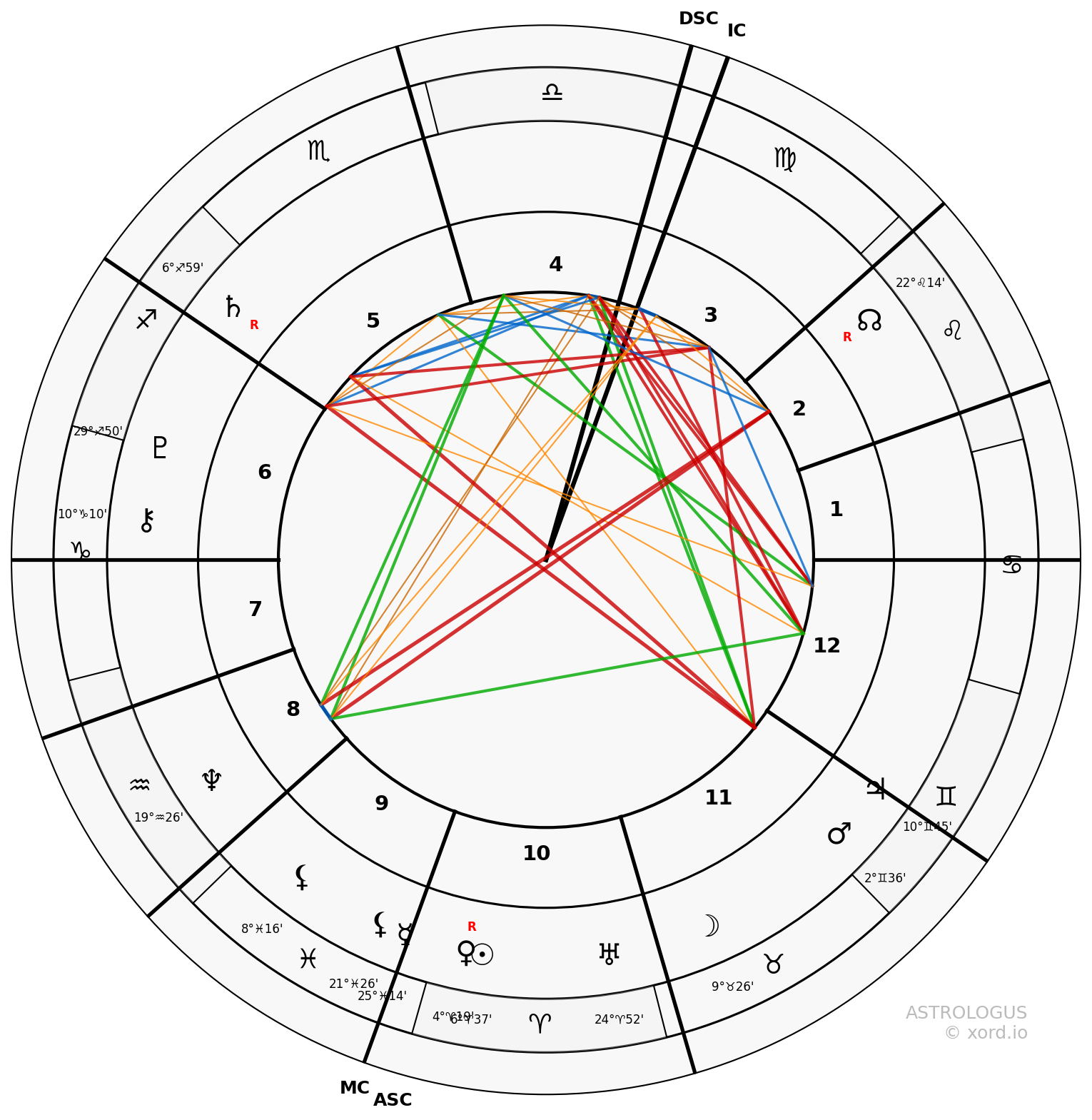
Saint Teresa of Ávila and Saint John of the Cross were not lovers, rivals, or collaborators in the earthly sense — they were parallel infernos. This synastry is not gentle. It is the trace left behind by two souls who burned their way into heaven. To go deeper into her singular path, visit Teresa’s full birth chart reading.
You've seen their charts. Now discover your own. A one-time purchase of $4.99 unlocks the ASTROLOGUS platform and 50 readings across all AI personas.
Disclaimer: This is for exploration and symbolic insight only. ASTROLOGUS offers rigorous interpretations, but no claim is made beyond the symbolic and artistic.
It's not astrology predicting your life.
It's you recognizing your life inside astrology.
About the Author: Cesare di Monte Calvi is the esoteric historian behind The Raven’s Enigma and lead mythographer of the ASTROLOGUS project. His work bridges Renaissance gnosis with digital cartography, reviving the lost grammar of the stars for a post-algorithmic age.