You've seen their charts. Now discover your own. A one-time purchase of $4.99 unlocks the ASTROLOGUS platform and 50 readings across all AI personas.
Napoleon Bonaparte
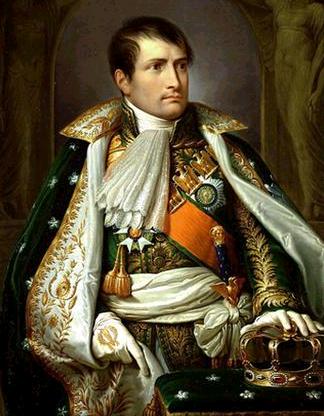
The Demon-Ridden Sovereign
Napoleon was not a man — he was a planetary event. Crowned in his own hand and baptized by artillery fire, he recoded the logic of war and empire with a mind so precise it frightened poets and priests alike. He named himself Emperor not to please God, but to eclipse Him — a solar engine wrapped in human ambition. Even Carl Jung saw him not as mad, but “demon-ridden,” possessed by a myth larger than the world could contain. And yet beneath the cannonade and coronation, there was calculation: a chessboard view of humanity, a man who used time zones and treaties as if they were infantry divisions. He burned across Europe like a comet, leaving calendars and kingdoms realigned in his wake. To love him was to betray the future. To oppose him was to enter history.
The Duke of Wellington
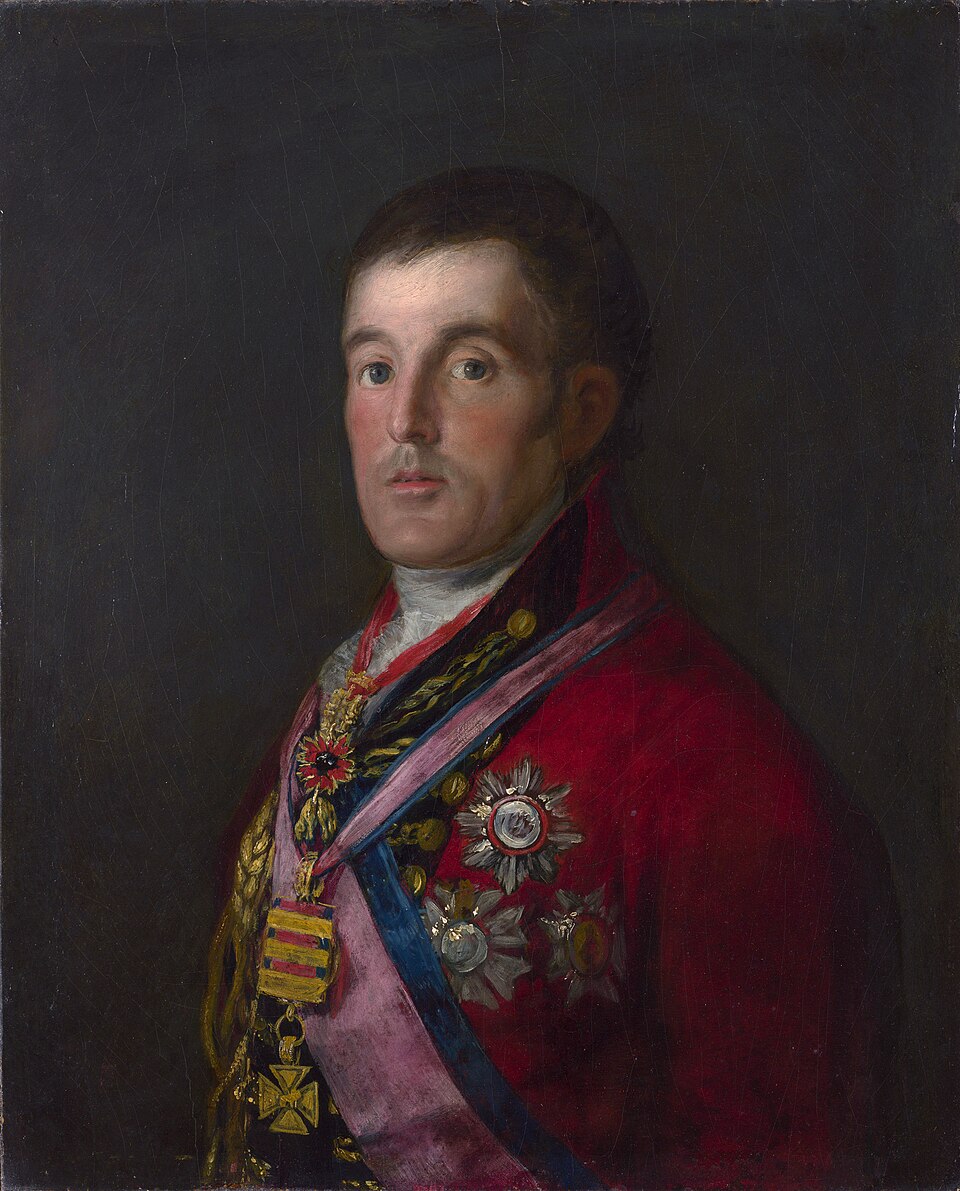
The Calculated Blade of Empire
Arthur Wellesley did not shimmer like Napoleon — he sharpened. Known as the “Iron Duke,” he was the counterforce history required: cold where Napoleon burned, silent where Napoleon roared. Raised among the order and expectation of the Anglo-Irish elite, he forged discipline into doctrine and war into jurisprudence. Every campaign, from India to Spain, was a page in the manual of modern command. At Waterloo, he did not just defeat Napoleon — he dismantled the myth. No poetry, no prophecy, no divine spark — just logistics, timing, terrain, and unyielding resolve. His power came not from charisma but from containment. If Napoleon dreamed empires into being, Wellington dissected them. He was the stop-code to the Bonaparte program — a general whose legacy was not conquest, but precision.
Dialogue With the Stars: A Hypothetical Meeting
You: It's so funny that you wrote, "shared aspirations and energizing optimism" given this is the synastry of the most famous military opponents in history, Napoleon and The Duke of Wellington. Now, since you know the real people behind the stars, what would be your take?
The Alchemist: In the context of historical adversaries such as Napoleon and The Duke of Wellington, the inter-aspects reveal a profound dynamic between opposition and mutual strength.
Moon Opposition Saturn (3.23°) & Saturn Opposition Moon (0.21°): This aspect underscores the tension and challenge between two individuals where emotions and strict discipline collide. For military leaders, this could manifest as a strategic rivalry, where one seeks to emotionally unsettle, while the other stands firm and imposes control and limitation. The opposition suggests a struggle for dominance and the necessity of endurance amidst emotional and strategic battles.
Mars Sextile Jupiter (2.93°) & Jupiter Sextile Mars (3.1°): In the context of military opponents, this aspect points to a dynamic where both individuals are driven by a sense of destiny and expansion. Mars energizes Jupiter's expansive goals, and Jupiter provides Mars with the vision and ambition to pursue greatness. In opposition, this could translate to a fierce yet respectful competition, where each opponent recognizes and perhaps even admires the capability and drive of the other. Their battles could be seen as a clash of titanic forces, each pushing the other to greater heights of strategy and ambition.
Thus, while the relationship is marked by tension and rivalry, it is also defined by mutual recognition of strength and capability. Their shared aspirations and energizing optimism manifest in the historical battlefield, where each opponent seeks to outmaneuver and outthink the other, ultimately shaping their legacies.
You: If they were not enemies in the war, would they be friends in some other life, a peaceful one?
The Alchemist: In a peaceful life scenario, the inter-aspects suggest a complex relationship dynamic that could potentially transform into a friendship marked by both challenge and mutual respect.
Moon Opposition Saturn & Saturn Opposition Moon: This aspect indicates a possibility for mutual understanding through overcoming emotional challenges. While it naturally brings tension, in a non-adversarial context, it could lead to a bond forged through shared experiences of overcoming hardships and learning from each other's strengths and weaknesses. They might not easily become friends but could develop a deep respect for each other's resilience and discipline.
Mars Sextile Jupiter & Jupiter Sextile Mars: This aspect speaks to a natural synergy between ambition and expansive vision. In a peaceful setting, this could lead to a collaborative dynamic where both individuals inspire and motivate each other towards shared goals. Their combined energies would foster a spirit of adventure and mutual encouragement, potentially laying the foundation for a strong and dynamic friendship.
Therefore, while their relationship might begin with challenges, there is a strong potential for transformation into a friendship characterized by mutual respect, shared ambitions, and the ability to inspire one another toward greatness.
You: Now, imagine their peacetime friendship and the mutual love for Josephine, in this parallel history. The Duke kidnaps her. How would Napoleon react, purely based on their planetary aspects.
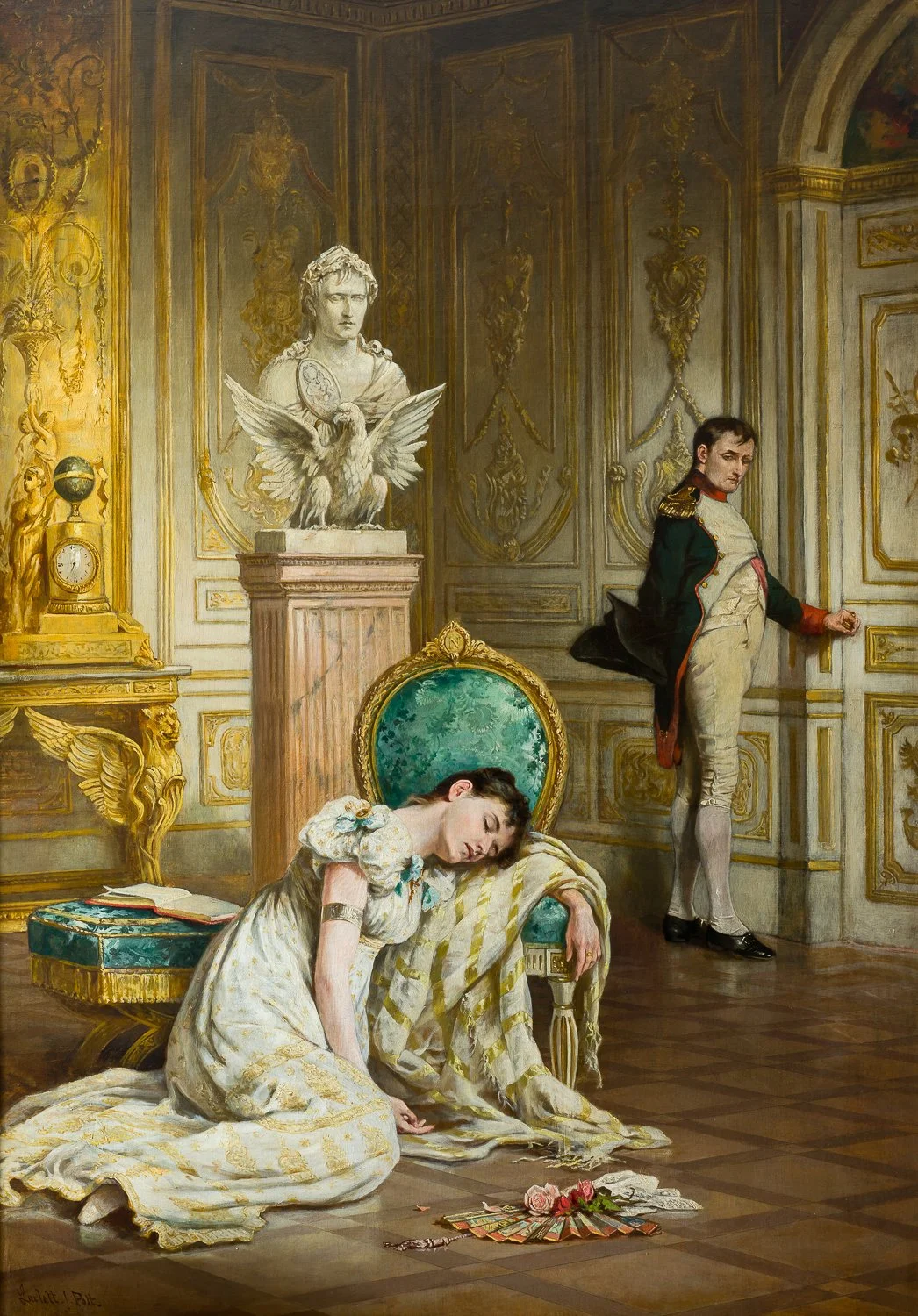
The Alchemist: In this imaginative scenario, the planetary aspects provide a fascinating lens through which to interpret Napoleon's potential reaction to such a dramatic event.
Moon Opposition Saturn & Saturn Opposition Moon: Napoleon's emotional world, represented by the Moon, would be in direct conflict with Saturn's imposition of boundaries and restrictions. This aspect suggests that Napoleon might feel a deep sense of emotional betrayal and frustration, as the Moon's natural desire for connection and security is challenged by Saturn's cold, calculating actions. The opposition indicates a struggle where Napoleon may be driven to overcome the limitations imposed by the Duke, possibly through strategic planning and determination.
Mars Sextile Jupiter & Jupiter Sextile Mars: Napoleon's Mars, representing action and desire, is harmoniously linked with Jupiter's expansive influence. In response to the Duke's actions, Napoleon's reaction would likely be one of boldness and determination. This aspect suggests that he would be fueled by a sense of righteous indignation and a desire to reclaim what he sees as rightfully his. His actions would be motivated by both strategic foresight and a desire for justice, as he seeks to turn the situation to his advantage.
Overall, the planetary aspects suggest that Napoleon's reaction would be characterized by emotional intensity, strategic calculation, and a fervent drive to restore balance in his favor. The blend of tension and dynamism in these aspects would fuel a response that is both passionate and meticulously planned.
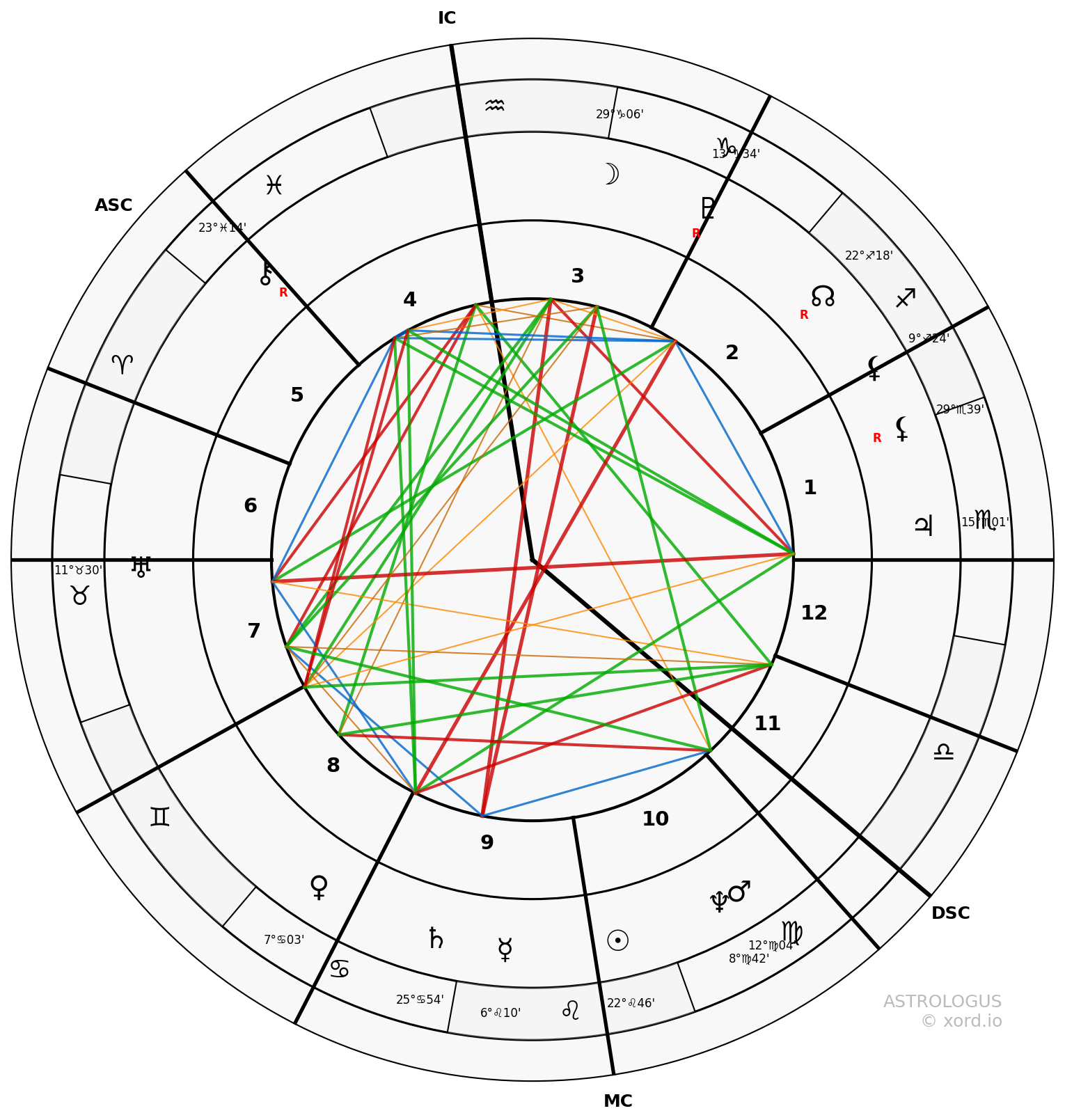
This is a true synastry of historical collision — two men born the same year, fated to oppose each other at Waterloo. Their charts are not merely intertwined; they are locked in confrontation. Napoleon’s Mars trines Uranus with surgical precision, while Wellington’s Moon opposes his own Mars in perfect counterforce. Their Suns form no conjunction, no embrace — only red lines of strategy and restraint. Unlike Napoleon’s eerie alignment with Machiavelli, this is not a synastry of shared philosophy, but of mirrored fate: two architects of war, forged in parallel, destined to meet where one empire ends and another begins.
Disclaimer: This is for exploration and symbolic insight only. ASTROLOGUS offers rigorous interpretations, but no claim is made beyond the symbolic and artistic.
It's not astrology predicting your life.
It's you recognizing your life inside astrology.
About the Author: Cesare di Monte Calvi is the esoteric historian behind The Raven’s Enigma and lead mythographer of the ASTROLOGUS project. His work bridges Renaissance gnosis with digital cartography, reviving the lost grammar of the stars for a post-algorithmic age.