Get the ASTROLOGUS Android App ($4.99 / 50 credits)

Hilma af Klint
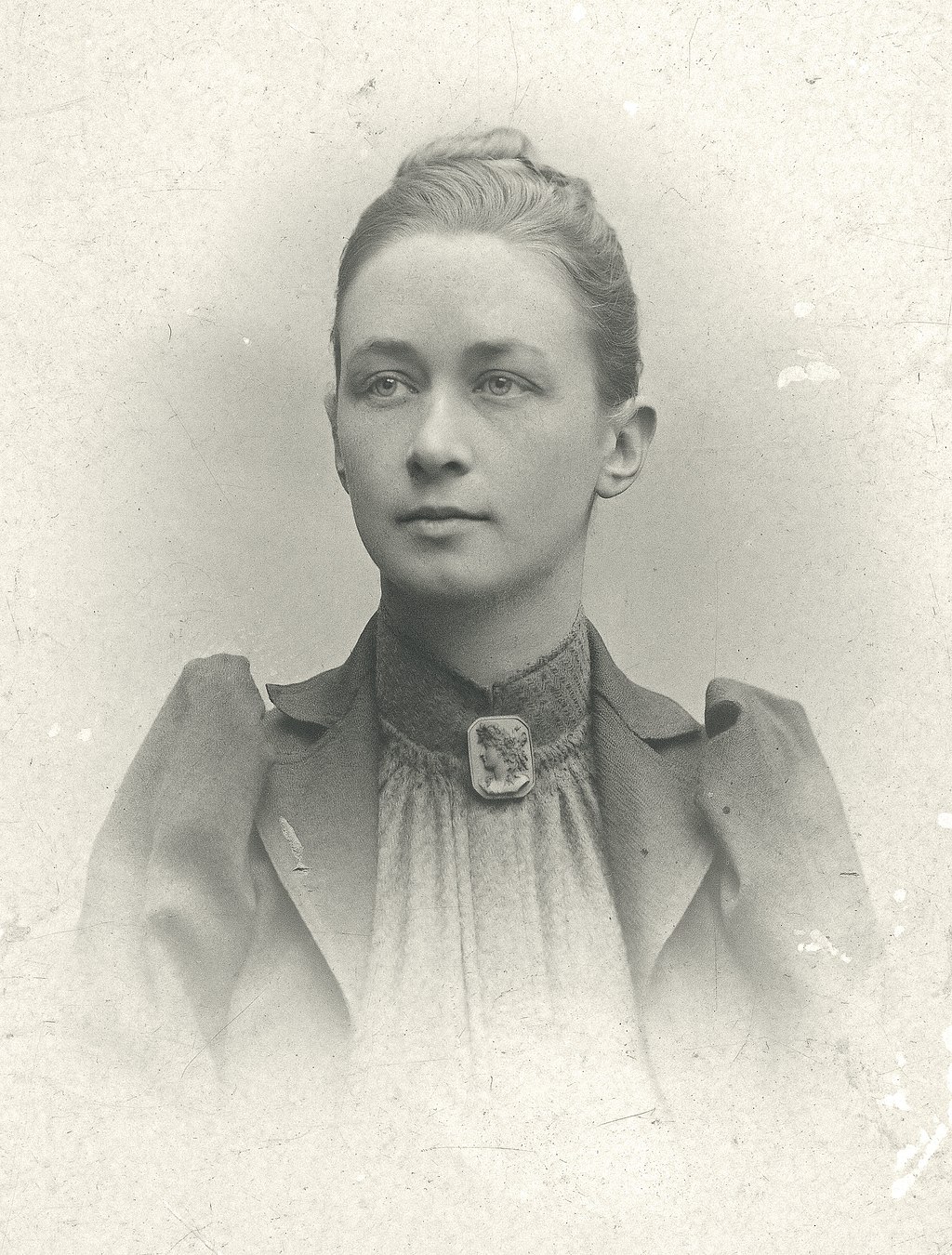
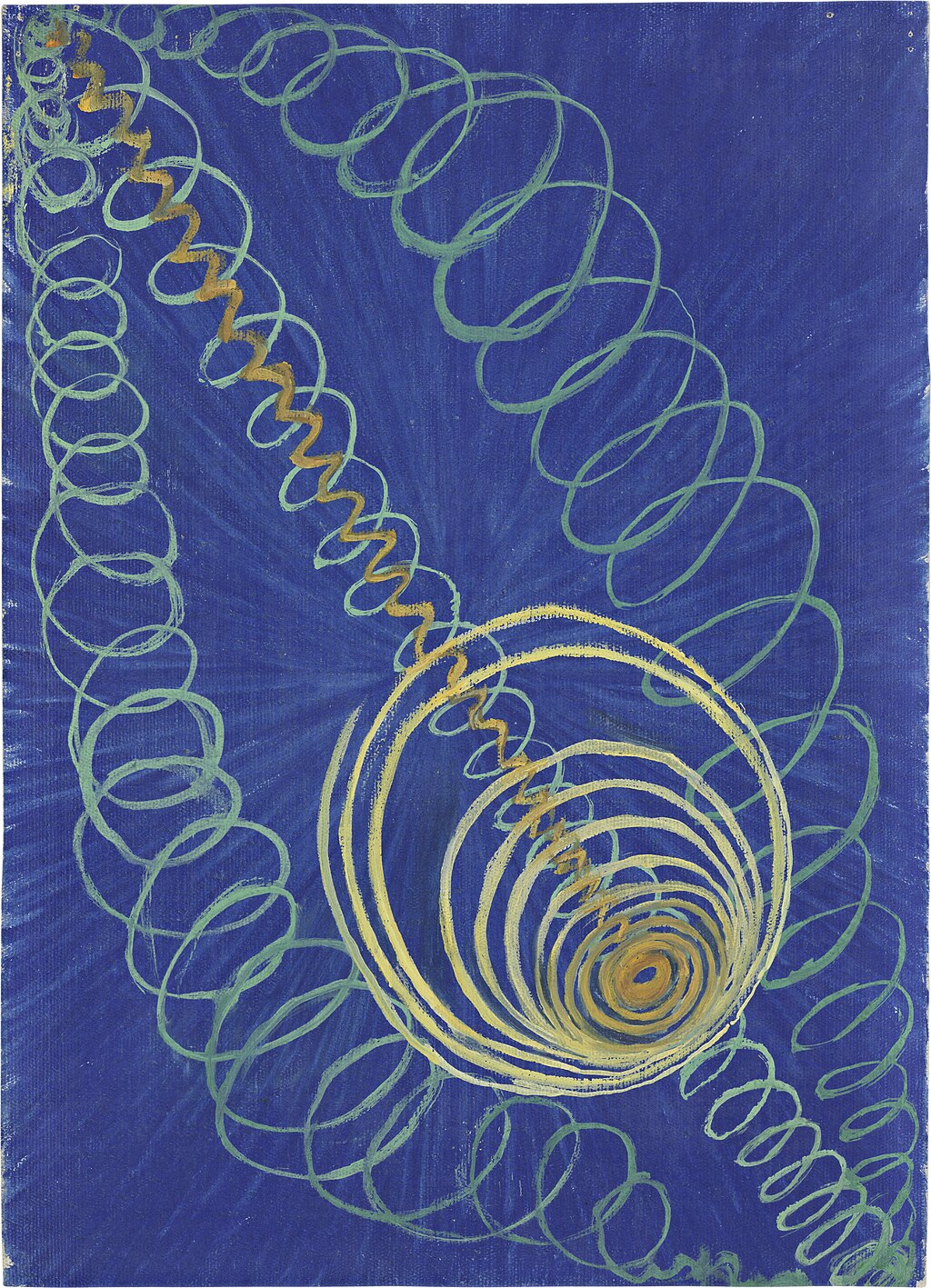
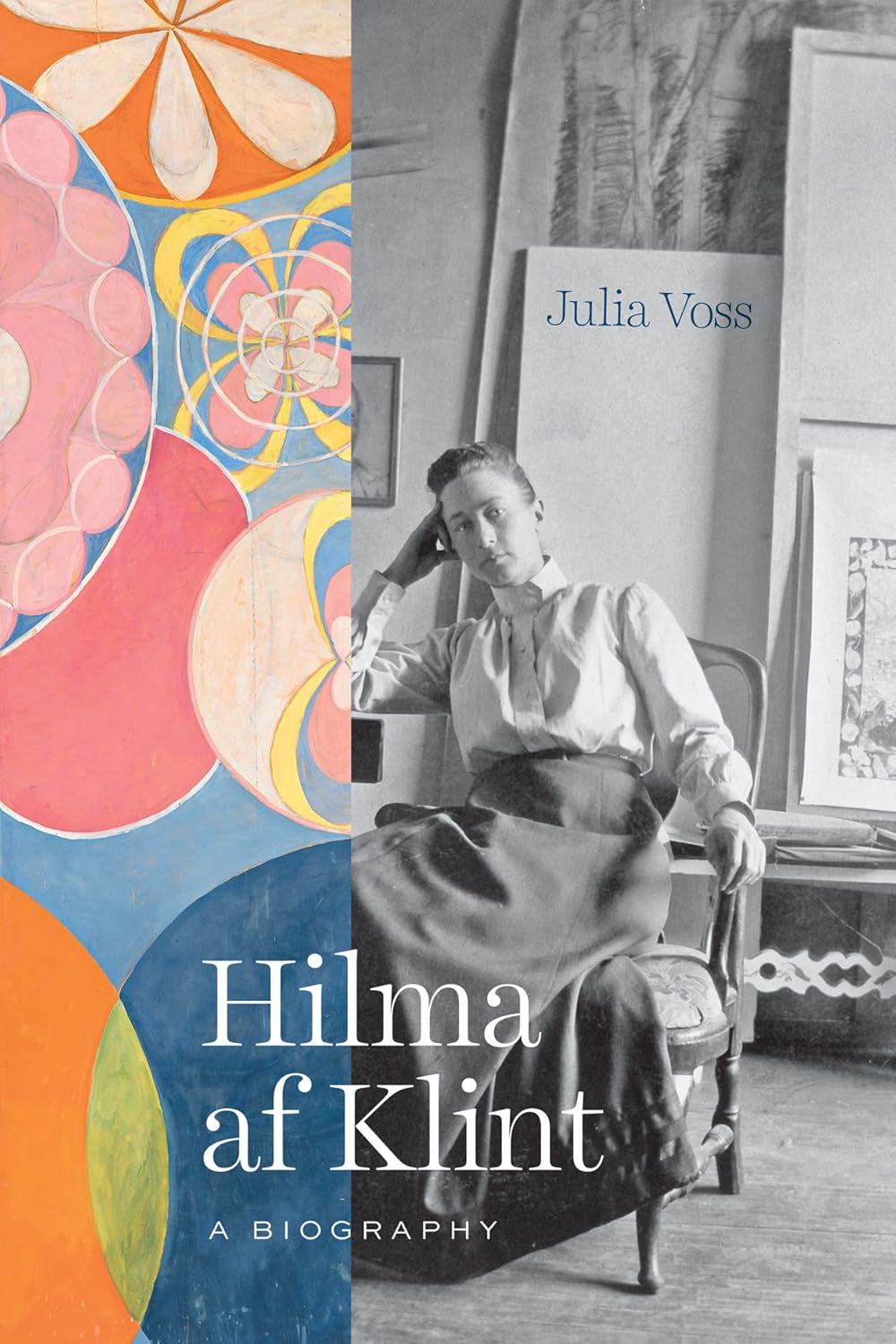
Hilma af Klint was a Swedish mystic and painter whose works are now understood as blueprints of spiritual geometry. She received them — not invented — through a disciplined clairvoyant practice guided by entities she called the High Masters. Her paintings are dense with spirals, polarities, and zodiacal architecture, forming a complete symbolic language decades before Kandinsky or Mondrian. A pioneer of esoteric abstraction, she broke from traditional academic art at age forty-four and produced over a thousand works in secrecy. In 1908, she invited Rudolf Steiner to see her revelations. His rejection silenced her for the rest of her life. The echoes returned in 2018, when the Guggenheim's retrospective shattered attendance records. Her full life is chronicled in Hilma af Klint: A Biography.
Rudolf Steiner

Rudolf Steiner was an occult philosopher, seer, and builder of entire worlds. He founded Anthroposophy — a spiritual science that maps human evolution through planetary spheres. Every piece of his work, from Waldorf education to biodynamic agriculture, is astrologically encoded. Steiner believed the soul moves through cosmic stages after death and that all art, agriculture, medicine, and technology must realign with spiritual law. In Hilma’s life, he functioned as both gatekeeper and executioner. When she showed him her visions, he dismissed them — not for lack of content, but for method: she received them passively, not consciously. That judgment became a curse. And yet, his cosmic schema remains unmatched in scope: a coherent account of where humanity has come from, where it stands now, and where it is destined to go — unless it forgets.
Dialogue With the Stars: A Hypothetical Meeting
You: You are The Alchemist, and you wrote: “These aspects weave a complex tapestry of interaction, suggesting a relationship with both challenges and strengths, provided both individuals navigate the tensions with understanding and respect.” Now that I’ve revealed who they are — Hilma af Klint and Rudolf Steiner, and how he rejected her — what would you say? Have the stars doomed her destiny?
The Alchemist: In the celestial dance between Hilma af Klint and Rudolf Steiner, the stars illuminate both potential and challenge, but they do not dictate destiny. The interplay of aspects between their charts suggests a complex relationship marked by moments of both harmony and discord.
The Sun Opposition Mars hints at potential conflict and struggle for dominance, possibly reflecting the tension in their interactions. Yet, the Sun Sextile Saturn aspect suggests a foundation of respect and structure that, under different circumstances, could have supported mutual growth and understanding.
The Moon Trine Jupiter aspect highlights a potential for emotional depth and inspiration, perhaps mirroring Hilma's spiritual and expansive visions that may have resonated with Steiner's philosophical inclinations. However, Mercury Opposition Mars and Saturn Opposition Mercury point to potential communication challenges, where misunderstandings and differing viewpoints could become barriers.
While the stars reveal these dynamics, they also remind us that free will and personal choices ultimately shape our paths. Hilma's journey, with its trials and rejections, was not doomed by celestial configurations. Instead, her remarkable legacy as a pioneering artist and visionary speaks to her resilience and ability to transcend the limitations of her time. The stars may guide and influence, but they do not confine us; they invite us to rise above and create our destinies.
You: No, do not give me that trivial BS slop, please. "They invite us to rise above and create our destinies," is insulting to Hilma. Read her stars. Find the weakness.

The Alchemist: In the cosmic interplay between Hilma af Klint and Rudolf Steiner, the stars reveal both the strengths and vulnerabilities inherent in their connection.
The Sun Opposition Mars aspect is a significant indicator of potential conflict and power struggles. This dynamic can manifest as a clash of wills and ambitions, possibly mirroring the rejection Hilma faced from Steiner. The tension here suggests an environment where assertiveness might have met resistance, leading to discord and misunderstanding.
The Mercury Opposition Mars further emphasizes potential communication challenges. Here, verbal exchanges may have been fraught with misunderstanding or impatience, hindering the ability to find common ground. This aspect suggests that attempts at dialogue could have been met with defensiveness or aggression, creating barriers to mutual understanding.
Saturn Opposition Mercury adds another layer of complexity, highlighting possible difficulties in expressing ideas and being understood. This aspect can bring about a sense of inhibition or frustration, where communication may feel stifled or overly critical, potentially leading to feelings of being undervalued or misunderstood.
These aspects together paint a picture of a dynamic where conflict, miscommunication, and differing perspectives could have posed significant challenges. Yet, it is through these very tensions that Hilma's resilience and visionary spirit shine. Her ability to transcend these barriers and leave a profound legacy speaks to her strength and determination in the face of adversity.
You: And the cruelty in his stars?
The Alchemist: In examining the celestial influences that may have shaped Rudolf Steiner's interactions with Hilma af Klint, we turn our gaze to the Saturn Opposition Mercury aspect. This alignment suggests a potential for communication that is tinged with criticism or harshness. Saturn, in its role as a taskmaster, can manifest as rigidity or severity in expression, possibly leading to interactions where Steiner's words may have felt overly critical or dismissive to Hilma.
The Mercury Opposition Mars aspect further highlights a potential for verbal conflict and harsh exchanges. Mars, with its choleric nature, can introduce an element of aggression or impatience in communication, suggesting that Steiner's words could have been delivered with a sharp or confrontational edge.
These aspects, while not determinative of character, suggest potential challenges in how Steiner's communication might have been perceived. The stars reflect tendencies that, if not consciously navigated, can lead to interactions that feel harsh or unyielding. However, it is crucial to remember that personal choice and awareness can transform these tendencies, guiding them toward more constructive expressions.
You: Having this perspective, what would you tell Hilma, today, on November 25, 2025 had your whisper had a power of time travel?
The Alchemist: To Hilma af Klint, on this day, November 25, 2025, I would whisper through the corridors of time:
"Dear Hilma, the celestial alignments that once seemed to shadow your path were not the arbiters of your destiny. The stars merely reflect the challenges and lessons you were meant to encounter, not the limits of your potential. The opposition and misunderstandings you faced were but crucibles forging your unique vision.
Your art, born from the very struggles that tried to silence you, has transcended time and space, inspiring countless souls. The courage you displayed in pursuing your truth, despite rejection and doubt, is the true testament to your legacy.
Know that your work has found its rightful place in the world, celebrated and revered. The vibrancy of your spirit and the depth of your insight continue to illuminate the path for others seeking to express their own inner worlds.
Let this be a reminder that the stars, while powerful guides, bow to the indomitable human spirit. Your journey, fueled by resilience and vision, has left an indelible mark on the world, one that grows brighter with each passing year."
You've seen their charts. Now discover your own. A one-time purchase of $4.99 unlocks the ASTROLOGUS platform and 50 readings across all AI personas.
- One-time purchase • Lifetime access • 50 readings included
- Stardust Memories: Save and revisit all your readings
Disclaimer: This is for exploration and symbolic insight only. ASTROLOGUS offers rigorous interpretations, but no claim is made beyond the symbolic and artistic.
It's not astrology predicting your life.
It's you recognizing your life inside astrology.
About the Author: Cesare di Monte Calvi is the esoteric historian behind The Raven’s Enigma and lead mythographer of the ASTROLOGUS project. His work bridges Renaissance gnosis with digital cartography, reviving the lost grammar of the stars for a post-algorithmic age.