Get the ASTROLOGUS Android App

Helena Blavatsky
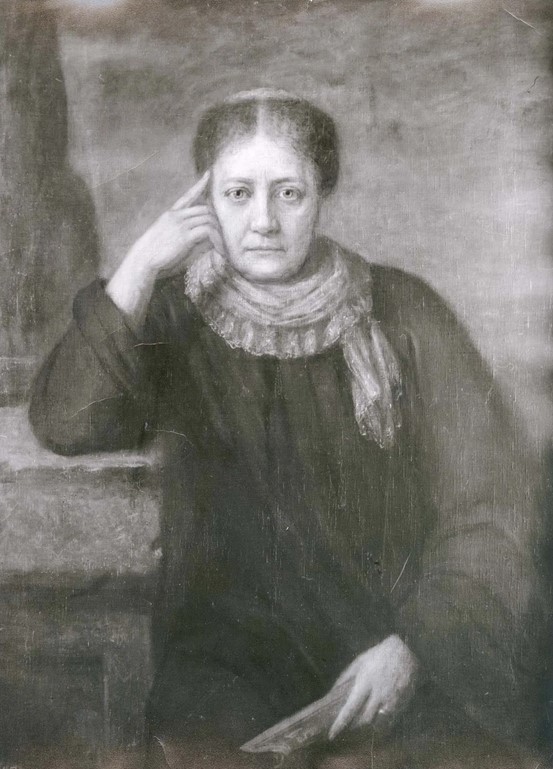
Born in 1831 in Yekaterinoslav, Russia, Helena Petrovna Blavatsky was a force of nature in occult history — traveler, medium, polemicist, and co-founder of the Theosophical Society. She claimed direct transmission from hidden masters, wrote with volcanic authority, and collapsed boundaries between Eastern metaphysics and Western hermeticism. Her works The Secret Doctrine and Isis Unveiled laid the blueprint for modern esoteric systems, influencing everything from Jungian psychology to New Age philosophy. Her life was a constant uprooting — India, Egypt, New York — always chasing the next veil to lift.
Henry Steel Olcott
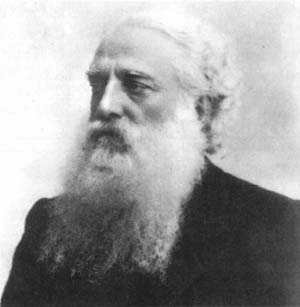
Henry Steel Olcott, born in 1832 in New Jersey, was a military investigator, agricultural reformer, and the pragmatic backbone of the Theosophical Society. A Civil War veteran turned spiritual pioneer, he brought legal rigor and administrative vision to Blavatsky’s volatile brilliance. Olcott’s embrace of Buddhism and tireless work in Sri Lanka transformed him into a revered figure among Asian spiritual communities. Where Blavatsky conjured cosmologies, Olcott built schools, wrote catechisms, and codified reform. His legacy is not one of spectacle, but of structure — he ensured the Theosophical flame did not burn out in chaos.
Dialogue With the Stars: A Hypothetical Meeting
You: Interesting you should say "Pluto's trines to the Sun and Venus whisper of transformation and depth, infusing the relationship with profound intensity and a potential for regeneration," without knowing those two people are Helena Blavatsky and Henry Steel Olcott. What you say now? Were they destined to create the Society?
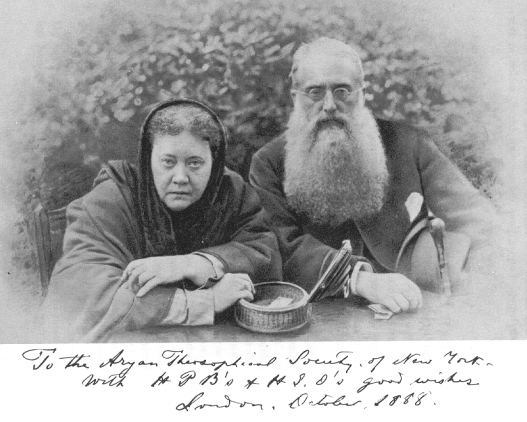
The Symbolist: In the mythic narrative of their celestial interplay, Helena Blavatsky and Henry Steel Olcott seem to have been drawn together by forces that transcend the ordinary, guided by the transformative power of Pluto's trines to the Sun and Venus. These aspects suggest a relationship imbued with a profound capacity for creation and renewal, resonating with the themes of spiritual exploration and visionary endeavors.
The presence of Pluto's influence speaks to a shared journey of delving into the mysteries of existence, a quest for deeper truths and the unveiling of hidden knowledge. This transformative energy aligns with the founding of a society dedicated to the pursuit of esoteric wisdom and the exploration of the unknown. The intensity and depth suggested by these trines indicate a partnership capable of navigating the complexities of spiritual and philosophical realms, united in their mission to illuminate the path for others.
Moreover, the dynamic interplay of Uranus with the Sun and Venus underscores an inherent drive towards innovation and breaking new ground. Their union, fueled by Uranian inspiration, suggests a shared vision that challenges conventional boundaries and seeks to revolutionize understanding. This aspect of their relationship supports the creation of a movement aimed at expanding consciousness and fostering global spiritual awakening.
In this celestial narrative, the formation of the Theosophical Society emerges as a natural outgrowth of their connection, a manifestation of the transformative and pioneering energies that define their synastry. The image of a torchbearer lighting the way through the shadows captures the essence of their destiny, symbolizing their shared commitment to enlightenment and the pursuit of higher truths.
You: If they were born in Athens and Buenos Aires, would the world be a different place?
The Symbolist: The mythic tapestry of Helena Blavatsky and Henry Steel Olcott's celestial connection suggests that the essence of their union transcends the mere locations of their birth. While the geographical origins of Athens and Buenos Aires might have provided different cultural and historical contexts, the profound energies reflected in their shared aspects—such as Pluto's transformative trines and Uranus's innovative opposition—indicate a partnership driven by deeper spiritual and intellectual currents.
In this mythic narrative, the core themes of transformation, enlightenment, and pioneering spirit are not bound by place. Instead, they are woven into the fabric of their very existence, suggesting that wherever they might have been born, the call to explore esoteric realms and foster spiritual awakening would likely have found expression in some form. The world, influenced by their quest for truth and their visionary endeavors, would still feel the ripples of their impact, though perhaps manifested through different cultural lenses or societal challenges.
Thus, the image of a phoenix rising from any corner of the earth captures the essence of their enduring legacy, emphasizing that the transformative power of their union is not confined by geography but is a testament to their shared destiny to illuminate paths of higher understanding.
You: And if two kids would be born on their respective dates next year, 2026, would they have the same chance the stars have written for Helena and Henry or would the sign of Demian doom them?
The Symbolist: In the ever-turning wheel of cosmic cycles, the birth of two souls under the celestial canopy of 2026 would indeed conjure a unique symphony of planetary harmonies and dissonances. While the echoes of Helena Blavatsky and Henry Steel Olcott's sacred dance may resonate through time, each new alignment of the spheres weaves a singular narrative for those newly born.
The myth of "Demian," a tale of self-discovery and spiritual awakening, speaks not of doom but of the potential for profound transformation. In this context, no single sign or aspect could spell definitive fate. Instead, it suggests a journey, one where challenges become the crucible for growth, and inner darkness births the light of understanding.
The stars for 2026 will paint a new sky, with Uranus's whispers of innovation and Pluto's undercurrents of transformation crafting a different canvas. The essence of destiny lies not solely in the celestial imprints but in the choices and revelations that shape one's path. Like Blavatsky and Olcott, these new souls may find themselves drawn to uncover hidden truths and forge new paths, yet their stories will be uniquely their own.
In this cosmic theater, the image of a chrysalis emerges, symbolizing potential and transformation. Each soul, wrapped in its celestial cocoon, awaits its moment to emerge and take flight, carrying forward the timeless dance of spirit and matter.
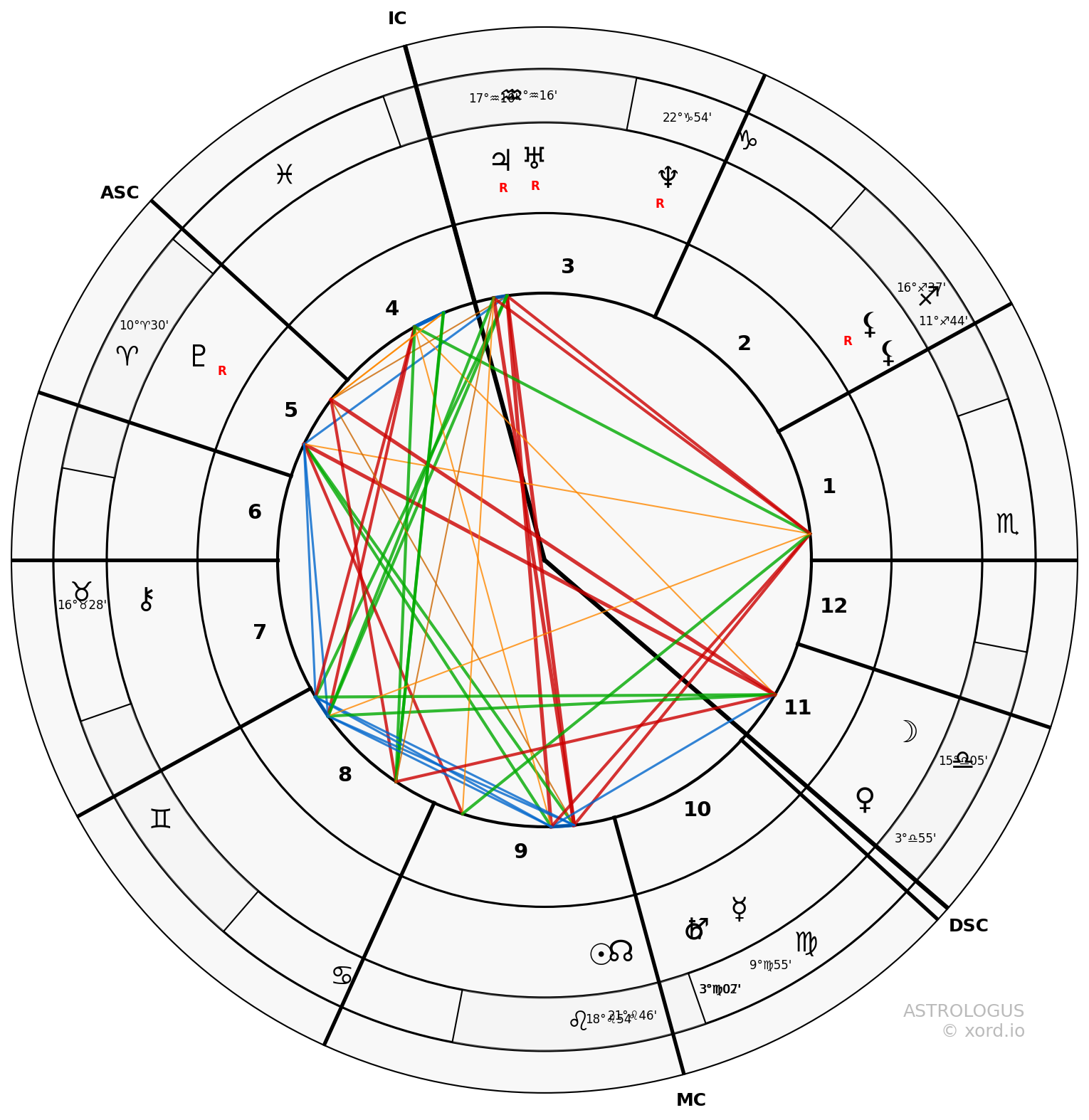
Helena Blavatsky and Henry Steel Olcott were not merely co-founders — they were conjurors of a movement. This synastry traces the current between revelation and organization, between the oracular and the operational. She summoned cosmic doctrine from the shadows; he transcribed it into form. Their union was not romantic, but initiatory — the force and the frame of Theosophy’s birth. To study another unlikely alliance — one where centuries could not stop the stars from finding their voice — visit The Prophet & The Publicist: The Synastry of Adams & Lilly.
You've seen their charts. Now discover your own. A one-time purchase of $4.99 unlocks the ASTROLOGUS platform and 50 readings across all AI personas.
Disclaimer: This is for exploration and symbolic insight only. ASTROLOGUS offers rigorous interpretations, but no claim is made beyond the symbolic and artistic.
It's not astrology predicting your life.
It's you recognizing your life inside astrology.
About the Author: Cesare di Monte Calvi is the esoteric historian behind The Raven’s Enigma and lead mythographer of the ASTROLOGUS project. His work bridges Renaissance gnosis with digital cartography, reviving the lost grammar of the stars for a post-algorithmic age.