Moon(1) quincunx Jupiter(2): 1°6' from exact.
Mercury(1) trine Mercury(2): 1°6' from exact.
Saturn(1) quincunx Jupiter(2): 1°7' from exact.
Sun(1) sextile Moon(2): 1°25' from exact.
Mars(1) trine Moon(2): 1°26' from exact.
Jupiter(1) opposite Mars(2): 2°45' from exact.
Frida Kahlo
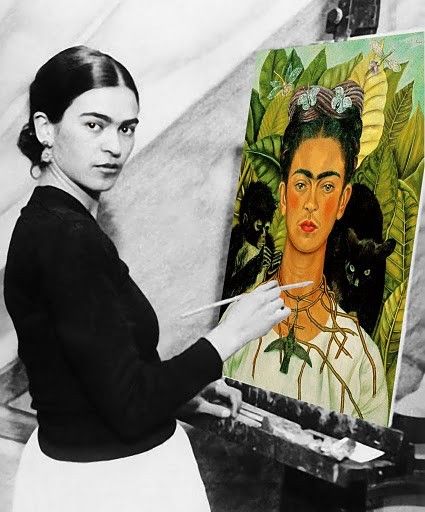
One of the most influential artists in history, Frida Kahlo's life was a testament to resilience. After contracting polio as a child and suffering devastating injuries in a bus accident at 18, she channeled a lifetime of physical and emotional pain into her art. She famously stated, "I never painted dreams. I painted my own reality." This reality was unflinchingly rendered in her many self-portraits, which explored themes of identity, the body, and death with raw honesty.
Frida's work transformed personal suffering into a universal language of endurance. Her art can be seen as a form of raw, personal alchemy, a precursor to the therapeutic art practices later explored by figures like filmmaker Alejandro Jodorowsky. She achieved celebrity status in her lifetime, and her legacy continues to inspire creators who seek freedom through fearless self-expression.
Diego Rivera
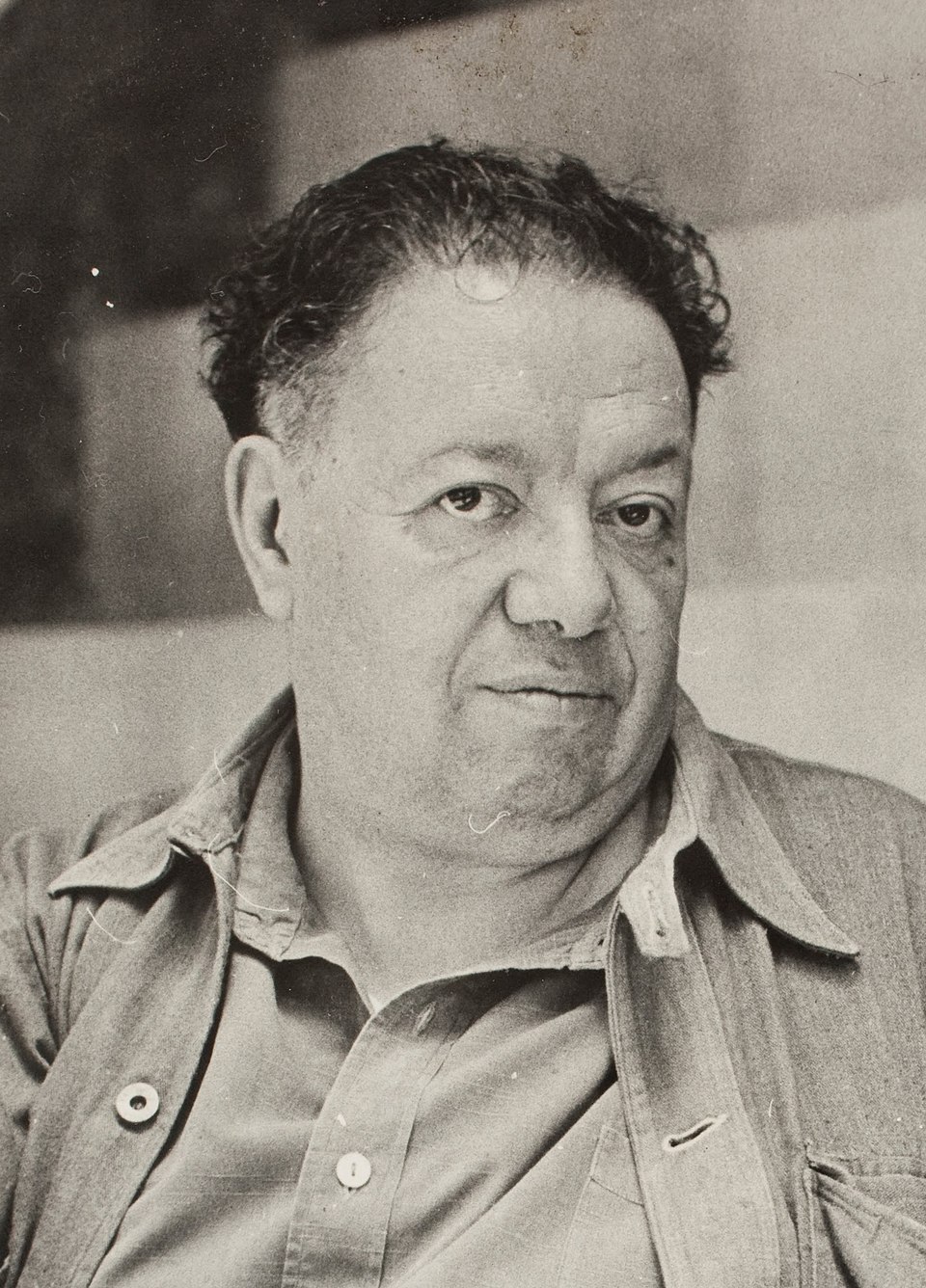
Diego Rivera was a towering figure in 20th-century art and a leader of the Mexican Muralism movement. His large-scale frescoes depicted the lives of working people and the epic scope of Mexican history, making his art inseparable from his radical politics. As a dedicated member of the Communist Party, his work was often a flashpoint for controversy, most famously when his mural for Rockefeller Center, "Man at the Crossroads," was destroyed for including an image of Vladimir Lenin.
While Frida's art was intensely introspective, Diego's was defiantly public. He believed in the power of art to educate the masses and catalyze social change. His political convictions were so central to his identity that they drew constant surveillance, resulting in an extensive FBI case file that tracked his movements and associations for decades.
Get the ASTROLOGUS Android App ($4.99 / 50 credits)

A Historical Curio
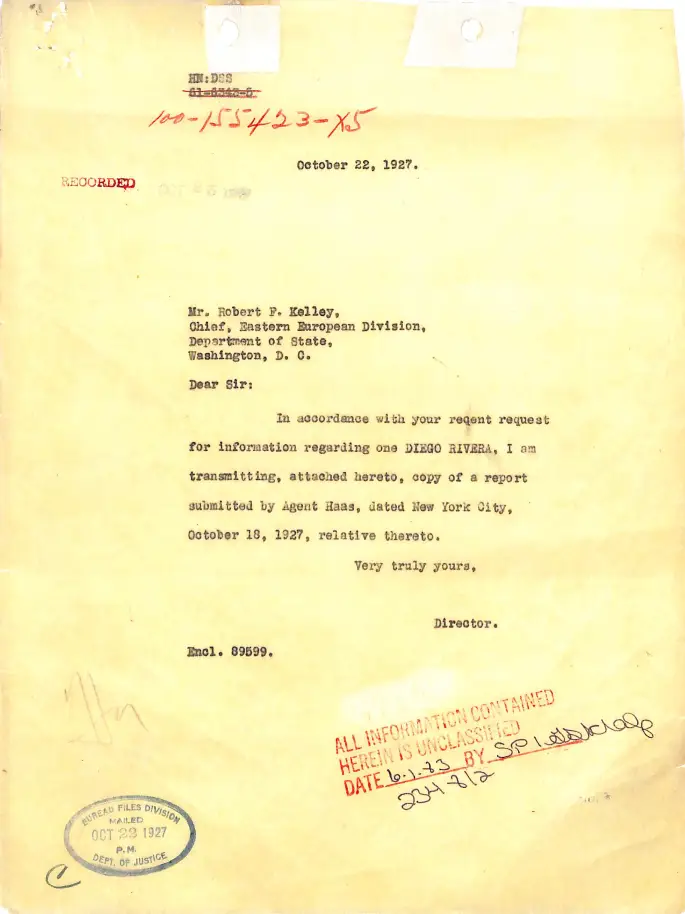
A page from Diego Rivera's extensive FBI file, which documented his political activities for decades. This surveillance highlights how intertwined his art was with his revolutionary ideals. You can explore the declassified document at the National Archives.
You've seen their charts. Now discover your own. A one-time purchase of $4.99 unlocks the ASTROLOGUS platform and 50 readings across all AI personas.
- One-time purchase • Lifetime access • 50 readings included
- Stardust Memories: Save and revisit all your readings
Disclaimer: This is for exploration and symbolic insight only. ASTROLOGUS offers rigorous interpretations, but no claim is made beyond the symbolic and artistic.
It's not astrology predicting your life.
It's you recognizing your life inside astrology.
About the Author: Cesare di Monte Calvi is the esoteric historian behind The Raven’s Enigma and lead mythographer of the ASTROLOGUS project. His work bridges Renaissance gnosis with digital cartography, reviving the lost grammar of the stars for a post-algorithmic age.