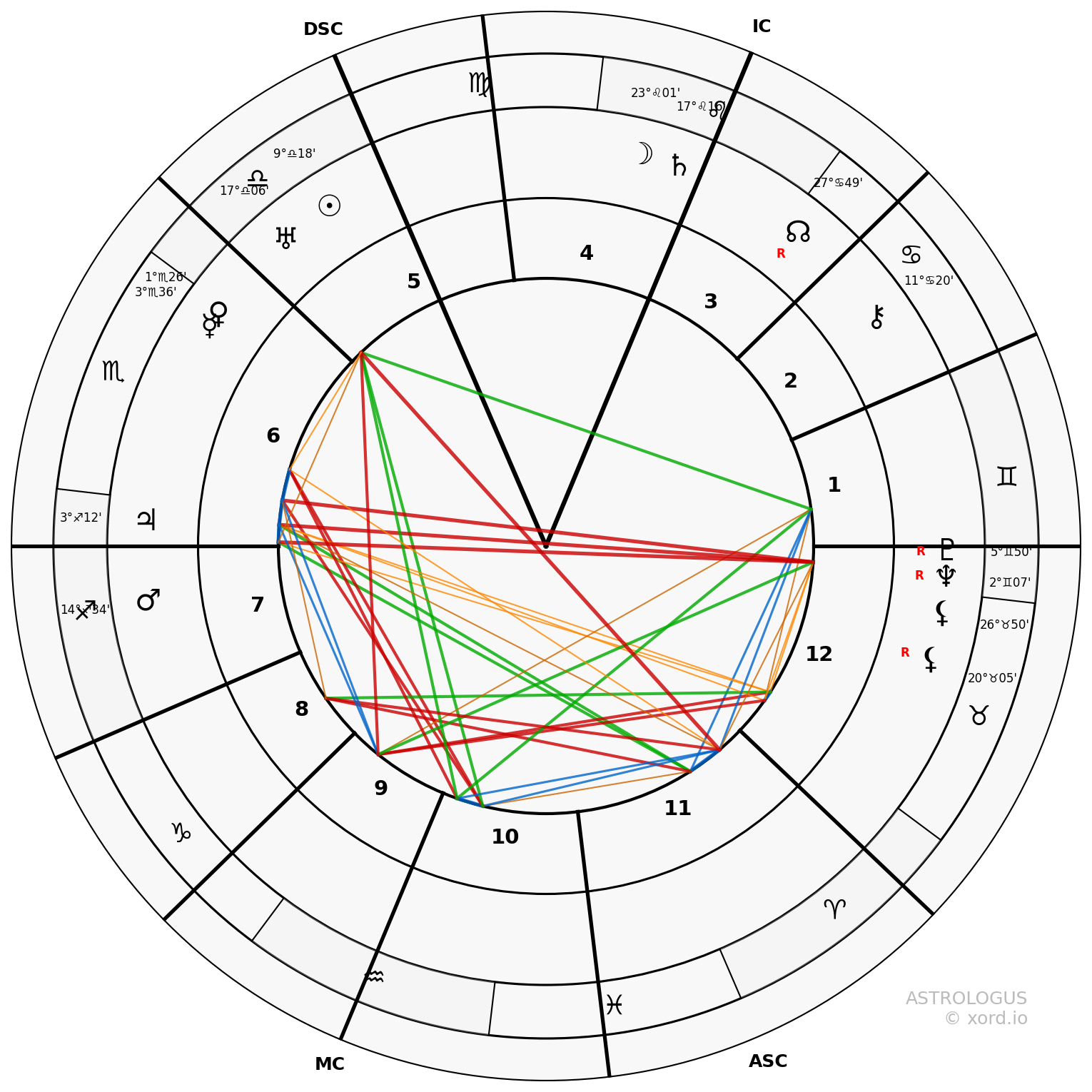
Sun Trine Jupiter (0.55°):
This is a strong, harmonious aspect with a tight orb, indicating a positive and expansive dynamic between the individuals. They likely encourage each other's growth and success, experiencing mutual optimism and support.
Sun Sextile Neptune (0.47°):
A very tight and harmonious aspect, suggesting a spiritual or idealistic connection. They may inspire each other creatively or intuitively, fostering a sense of empathy and shared dreams.
Sun Sextile Pluto (3.25°):
This aspect, although looser, still provides a harmonious influence. It suggests a powerful transformative potential in their relationship, with the ability to regenerate and evolve together through challenges.
Moon Trine Mercury (3.03°):
This harmonious aspect facilitates emotional communication. The individuals likely understand each other on a mental and emotional level, promoting effective dialogue and mutual support.
Moon Trine Venus (0.85°):
A very tight, harmonious aspect that enhances affection and emotional compatibility. This indicates a strong bond of love and appreciation, fostering a nurturing and caring dynamic.
Moon Square Jupiter (3.01°):
This tense aspect can indicate emotional excess or overindulgence. There may be a tendency for one or both individuals to exaggerate emotions, leading to misunderstandings or unrealistic expectations.
Moon Square Neptune (1.99°):
A tense aspect with a relatively tight orb, suggesting potential confusion or idealization in emotional matters. There may be a risk of misunderstandings or projecting unrealistic fantasies onto each other.
Mercury Trine Venus (3.85°):
Although looser, this harmonious aspect suggests pleasant communication and intellectual enjoyment. They likely appreciate each other's ideas and communicate with charm and grace.
Mercury Square Jupiter (1.69°):
A tight, tense aspect indicating potential disagreements in philosophical or ideological perspectives. There may be challenges in finding common ground or a tendency to overstate opinions.
Mercury Square Neptune (2.71°):
This tense aspect can lead to communication misunderstandings or deception. Clarity might be challenging, with a risk of misinterpretation or idealizing thoughts.
Mercury Square Pluto (1.01°):
A tight and tense aspect indicating intense conversations and potential power struggles. There may be a tendency for deep, probing discussions that can sometimes become confrontational.
Venus Opposition Mercury (3.82°):
This opposition suggests potential challenges in aligning values with communication. There may be difficulties in expressing affection or understanding each other's needs and desires.
Mars Trine Sun (3.45°):
A harmonious aspect that suggests dynamic energy and mutual motivation. They likely invigorate each other, promoting active collaboration and shared enthusiasm.
Jupiter Trine Venus (3.17°):
This harmonious aspect indicates a joyful connection filled with generosity and pleasure. There is likely a strong sense of shared enjoyment and a positive, abundant dynamic.
Saturn Conjunction Mercury (2.98°):
This conjunction suggests a serious and disciplined communication style. There may be a focus on responsibility and structure in their interactions, potentially leading to constructive and purposeful discussions.
Uranus Square Moon (1.35°):
A tight, tense aspect indicating potential emotional instability or unpredictability. There may be sudden changes or disruptions in emotional responses, challenging the emotional security of the relationship.
Uranus Square Saturn (2.35°):
This tense aspect suggests conflict between stability and change. The relationship may face challenges in balancing tradition with innovation, leading to potential tension over responsibilities and freedom.
Neptune Trine Sun (4.29°):
A looser, but still harmonious aspect, enhancing creativity and spiritual connection. This aspect suggests inspiration and a sense of shared ideals and dreams.
Neptune Opposition Mars (1.08°):
A tight and tense aspect indicating potential confusion or disillusionment in action and desires. There may be a risk of misdirected energy or unrealistic ambitions.
Neptune Sextile Saturn (3.99°):
This harmonious aspect suggests a supportive balance between dreams and reality. There is a potential for practical realization of ideals, blending imagination with structured discipline.
Pluto Trine Sun (0.98°):
A very tight and harmonious aspect, indicating transformative and empowering interactions. This aspect suggests a deep, regenerative influence that can lead to significant personal growth within the relationship.
Pluto Opposition Mars (4.38°):
This aspect, although looser, suggests potential power struggles and intense dynamics. There may be challenges in balancing assertiveness with control, leading to transformative conflicts.
Summary: Sun Trine Jupiter (0.55°): This is a strong, harmonious aspect with a tight orb, indicating a positive and expansive dynamic between the individuals. They likely encourage each other's growth and success, experiencing mutual optimism and support.Sun Sextile Neptune (0.47°): A very tight and harmonious aspect, suggesting a spiritual or idealistic connection. They may inspire each other creatively or intuitively, fostering a sense of empathy and shared dreams. Sun Sextile Pluto (3.25°): This aspect, although looser, still provides a harmonious influence.
Sun Trine Jupiter:
In the cosmic tale woven between these two souls, the Sun Trine Jupiter shines like a benevolent star, casting its light on the realm of shared growth and expansive joy. This aspect heralds a meeting of spirits that uplifts each partner, encouraging them to explore and discover the world together with optimism and wisdom.
Sun Sextile Neptune:
The Sun Sextile Neptune adds a layer of spiritual connection, as though the universe whispers secrets to them both, igniting dreams and fostering a sense of ethereal understanding. Here lies the potential for profound empathy and shared visions, crafting a bond that transcends the mundane.
Sun Sextile Pluto:
With the Sun Sextile Pluto, the relationship is imbued with transformative power. This aspect suggests that through their connection, they have the ability to delve into the depths of their beings, emerging renewed and empowered, like a phoenix from the ashes.
Moon Trine Mercury:
The Moon Trine Mercury offers a harmonious dialogue between heart and mind. Their conversations flow with ease, allowing emotions to be expressed with clarity and understanding. It's a dance of intuition and intellect, where feelings find their voice in words.
Moon Trine Venus:
The Moon Trine Venus graces the relationship with tenderness and affection. This aspect speaks of a nurturing connection, where love flows freely and beauty is cherished. It's a romantic interplay, where emotions are honored and celebrated.
Moon Square Jupiter:
However, the Moon Square Jupiter introduces a note of tension, as emotions may occasionally be exaggerated or misjudged. This aspect suggests a need for balance, as unchecked optimism might lead to misunderstandings or overindulgence.
Moon Square Neptune:
The Moon Square Neptune brings a veil of illusion, where emotions can become clouded or idealized. It invites both partners to remain grounded, lest they lose themselves in the mists of fantasy.
Mercury Trine Venus:
In the interplay of Mercury Trine Venus, communication is infused with grace and charm. Words become a vehicle for affection, and both partners find joy in expressing their love through thoughtful exchanges.
Mercury Square Jupiter:
Yet, Mercury Square Jupiter warns of potential excess in communication. There’s a risk of over-promising or speaking without full consideration, suggesting a need for mindfulness in their exchanges.
Mercury Square Neptune:
Mercury Square Neptune adds complexity to their dialogue, where misunderstandings or miscommunications might arise from over-idealization or confusion. Clarity becomes a quest in this mercurial landscape.
Mercury Square Pluto:
Mercury Square Pluto introduces an intensity to their conversations, driving them to explore deeper truths and uncover hidden motivations. This aspect speaks of a transformative potential in their shared words, urging them to confront what lies beneath the surface.
Venus Opposition Mercury:
With Venus Opposition Mercury, there exists a dynamic tension in their expressions of love and communication. While there is a magnetic pull, they must navigate differing perspectives to find harmony.
Mars Trine Sun:
Mars Trine Sun lends vitality and enthusiasm to their connection. Together, they are energized, driven to pursue shared goals with vigor and passion.
Jupiter Trine Venus:
Jupiter Trine Venus blesses the partnership with generosity and prosperity. It’s a bountiful aspect, where love is abundant and joy is shared, fostering a sense of mutual enrichment.
Saturn Conjunction Mercury:
Saturn Conjunction Mercury grounds their communication in reality. This aspect offers stability and structure, allowing them to build a solid foundation through shared wisdom and practical insight.
Uranus Square Moon:
Uranus Square Moon introduces an element of unpredictability. Emotions may be stirred suddenly, and the relationship is challenged to adapt to change and embrace innovation.
Uranus Square Saturn:
Uranus Square Saturn signifies a tension between tradition and progress. This aspect suggests a need to reconcile stability with the desire for freedom, encouraging growth through flexibility.
Neptune Trine Sun:
Neptune Trine Sun adds to the mystical aura, weaving dreams into the fabric of their connection. It’s an invitation to explore spiritual dimensions and connect on a soul level.
Neptune Opposition Mars:
Neptune Opposition Mars suggests a challenge in aligning actions with ideals. This aspect calls for clarity and intention, as dreams must be grounded to manifest in reality.
Neptune Sextile Saturn:
Neptune Sextile Saturn offers a supportive bridge between dreams and responsibilities. It suggests the ability to make visions tangible, blending imagination with discipline.
Pluto Trine Sun:
Pluto Trine Sun empowers transformation through their union. Together, they can delve into the depths and emerge with renewed strength and purpose.
Pluto Opposition Mars:
Pluto Opposition Mars speaks of a dynamic struggle for power and control. This aspect challenges them to channel their energies constructively, transforming potential conflict into growth.
Summary: In the cosmic tale woven between these two souls, the Sun Trine Jupiter shines like a benevolent star, casting its light on the realm of shared growth and expansive joy. This aspect heralds a meeting of spirits that uplifts each partner, encouraging them to explore and discover the world together with optimism and wisdom.The Sun Sextile Neptune adds a layer of spiritual connection, as though the universe whispers secrets to them both, igniting dreams and fostering a sense of ethereal understanding. Here lies the potential for profound empathy and shared visions, crafting a bond that transcends the mundane. With the Sun Sextile Pluto, the relationship is imbued with transformative power.
Synastry Analysis: The Alchemy of Two Souls
Sun Trine Jupiter (0.55°): This harmonious aspect between the Sun and Jupiter bestows a mutual sense of optimism and growth in the relationship. Person 1’s vitality and core identity blend seamlessly with Person 2’s expansive and benefic nature. Together, they inspire each other to explore new horizons, both intellectually and physically. This is a bond marked by generosity, warmth, and shared ideals, amplifying their potential for joy and success in their endeavors.
Moon Trine Mercury (3.03°):
The intuitive and emotional world of Person 1 finds an easy and open channel of communication with Person 2’s intellect and reasoning. This aspect facilitates understanding and emotional connection, allowing them to articulate their feelings and thoughts with clarity and empathy. It enhances their ability to nurture each other through words and mental support, creating a strong cognitive and emotional rapport.
Moon Trine Venus (0.85°):
A deeply nurturing and affectionate bond is indicated by this aspect. Person 1’s emotional needs are met with the love and aesthetic appreciation of Person 2. This aspect fosters a profound sense of harmony and beauty in their union, where emotional warmth is reciprocated with tenderness. It is a conduit for emotional fulfillment and shared enjoyment of life’s pleasures.
Moon Square Jupiter (3.01°):
While generally positive, this square can introduce challenges related to emotional overindulgence or excessive expectations. Person 1’s emotional nature may sometimes feel overwhelmed by Person 2’s expansive and optimistic tendencies. They must strive for balance, ensuring that emotional excess does not lead to unrealistic expectations or overextension in the relationship.
Mercury Trine Venus (3.85°):
This aspect suggests a delightful exchange of ideas that enhances affection and understanding. Person 1’s communication style is infused with charm and diplomacy from Person 2, allowing conversations to be both intellectually stimulating and soothing. Their dialogues are likely filled with wit, grace, and mutual appreciation, strengthening their bond through shared cultural or artistic pursuits.
Mercury Square Jupiter (1.69°):
Here, the square introduces a need for careful consideration in communication. Person 1’s logical mind may occasionally find itself at odds with Person 2’s grand ideas or philosophies. They should guard against miscommunication and strive for a balance between detail and big-picture thinking. This aspect challenges them to refine their communication, ensuring clarity and understanding.
Venus Opposition Mercury (3.82°):
An intriguing dynamic is present, where Person 1’s values and aesthetic sensibilities may occasionally clash with Person 2’s communication style. This opposition calls for the integration of differing viewpoints, encouraging them to find a middle ground where reason and affection can coexist. It is an opportunity for growth through appreciating each other’s differences.
Mars Trine Sun (3.45°):
The active and assertive energy of Person 1 complements Person 2’s core identity. This aspect provides vitality and mutual support in pursuing shared goals. Together, they channel their energies in a way that enhances confidence and motivation, creating a dynamic and invigorating partnership.
Jupiter Trine Venus (3.17°):
A fortuitous and benevolent aspect, this trine signifies a relationship marked by generosity, love, and shared joy. Person 1 and Person 2 enjoy a natural flow of affection and support, enhancing each other’s lives with abundance and pleasure. They inspire each other to appreciate the finer things in life, fostering a sense of prosperity and contentment.
Saturn Conjunction Mercury (2.98°):
This conjunction indicates a serious and thoughtful communication dynamic. Person 1’s disciplined mindset aligns with Person 2’s mental faculties, fostering depth and precision in their interactions. While it may bring a somber tone at times, this aspect encourages responsibility and structure in their exchanges, promoting long-term understanding and intellectual growth.
Summary: Synastry Analysis: The Alchemy of Two SoulsSun Trine Jupiter (0.55°): This harmonious aspect between the Sun and Jupiter bestows a mutual sense of optimism and growth in the relationship. Person 1’s vitality and core identity blend seamlessly with Person 2’s expansive and benefic nature. Together, they inspire each other to explore new horizons, both intellectually and physically.